Reusability
Designed for repeated interventions without consumable ammunition.
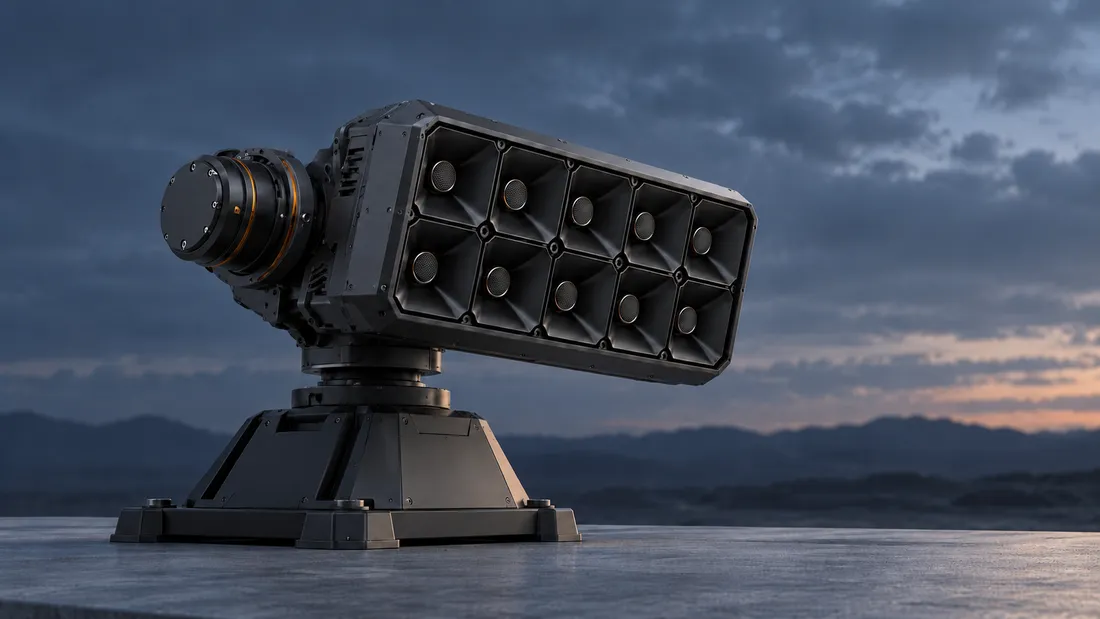
We are developing R.A.R., an acoustic interception system designed to stop the mission of drones threatening sensitive facilities.
Technology in development
Drones can put sensitive facilities and operations at risk. Detecting a threat is essential, but a response must also suit the environment and the systems available.
Protection requires different layers: detection, tracking and response.
R.A.R. is an acoustic emitter in development, designed to intercept drones and stop their mission. Following detection and tracking by other systems, it provides a response layer intended to integrate with existing protection.
A reusable response designed to integrate into the protection of sensitive facilities.
Designed for repeated interventions without consumable ammunition.
Reusability aims to lower the cost per interception.
Designed to complement existing detection and tracking systems.
It does not rely on deliberate RF or GNSS interference or high-power microwaves (HPM).
Each category uses a different principle. The choice depends on the environment and protection requirements.
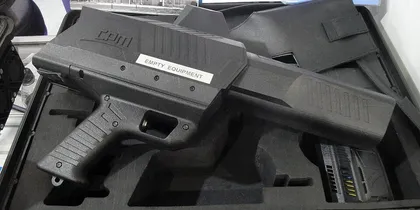
Acts on radio or navigation signals.
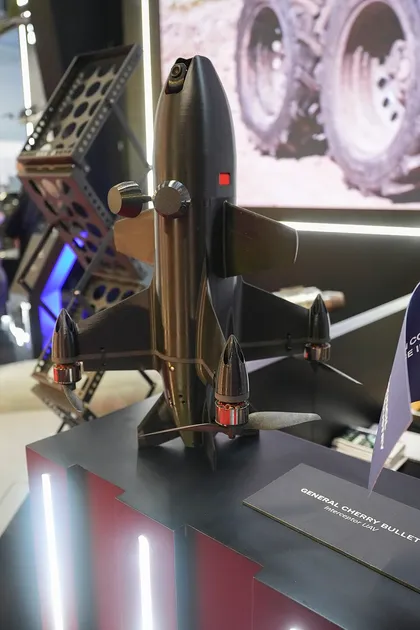
Interceptor drones or missiles neutralise the target through impact or an explosive charge.
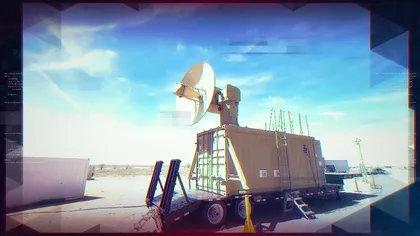
Electromagnetic energy can disable the drone’s electronics.
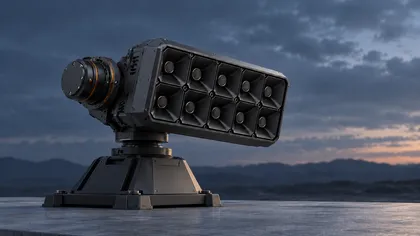
Reusable acoustic interception designed to stop the drone’s mission.
We are developing a ground-based configuration as our primary path, with a planned airborne configuration to extend integration options.
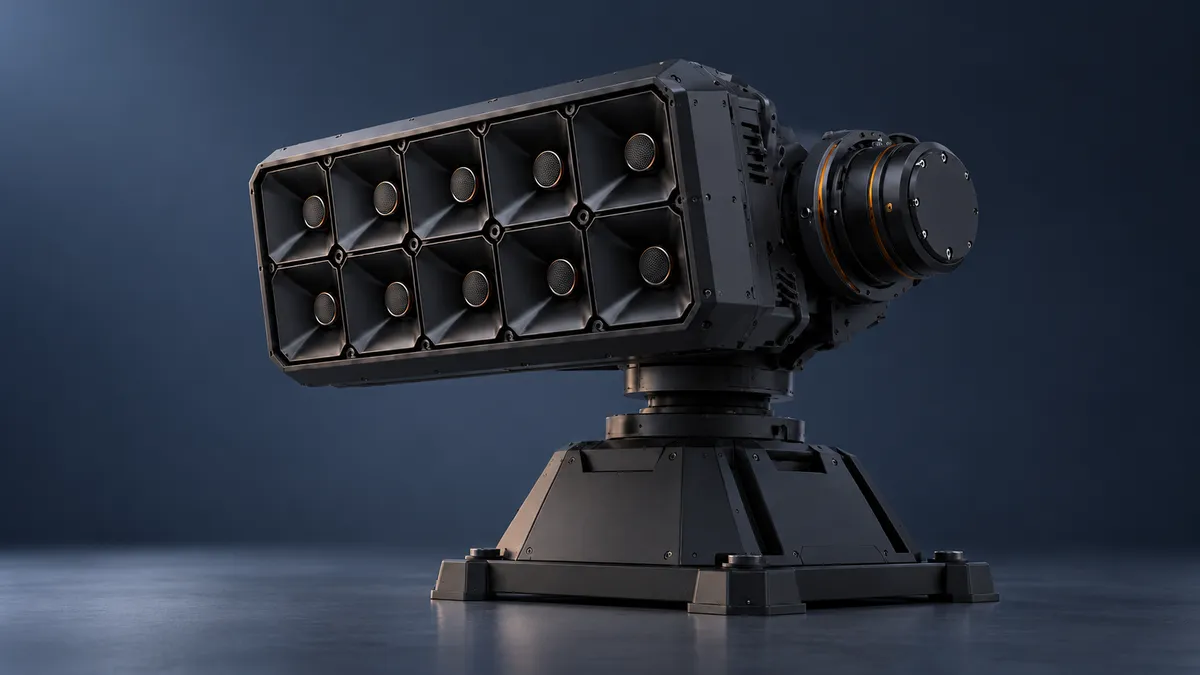
The primary R.A.R. configuration: ground-based acoustic interception to support the protection of sensitive facilities.
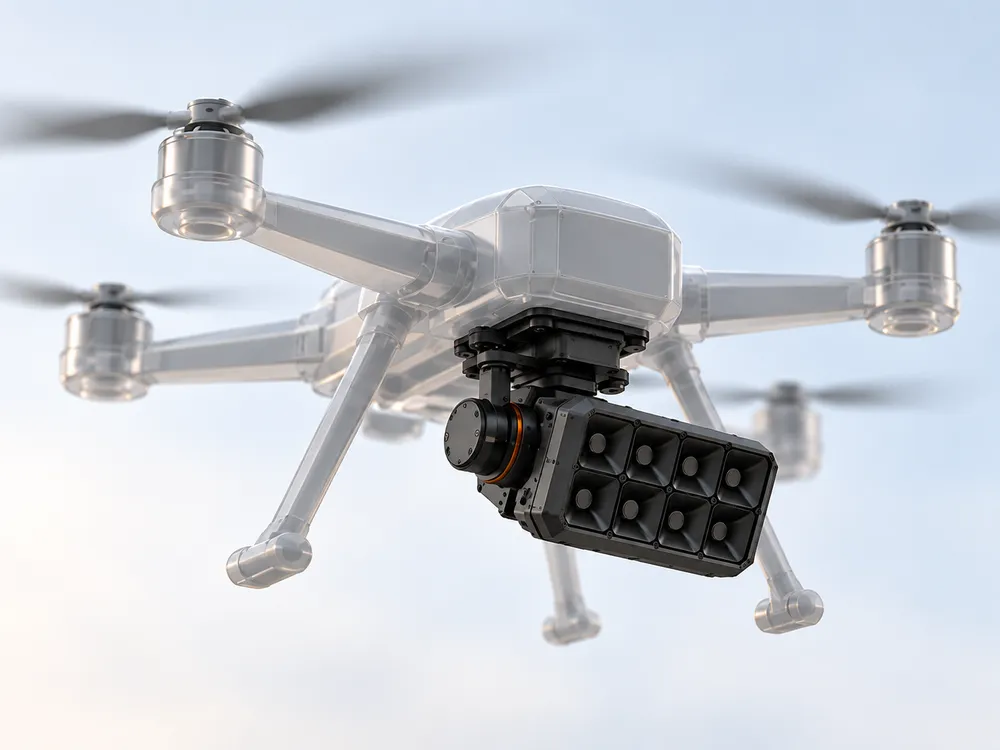
A planned acoustic payload for integration with a compatible airborne platform, as a later development path.
R.A.R. is being considered for potential applications at sensitive civilian and defence facilities. The photographs show reference facilities, not R.A.R. deployments.
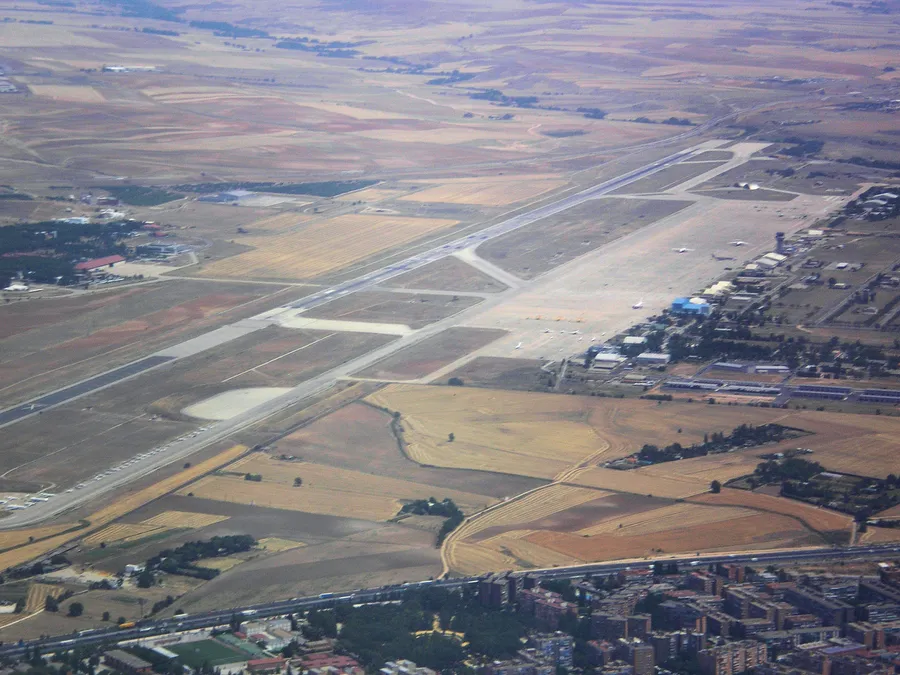
A potential response layer to support the protection of facilities and operations.
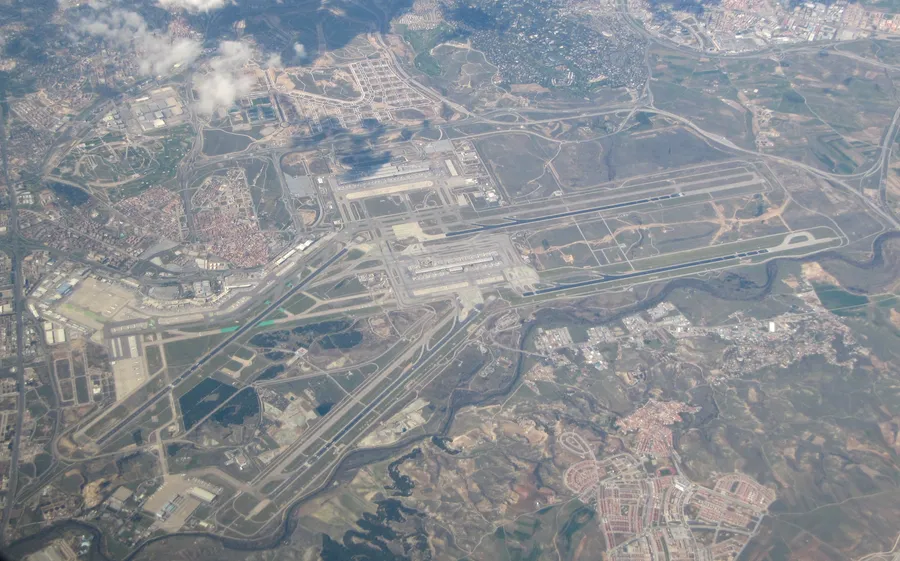
A response designed to complement the protection of sensitive aviation environments.
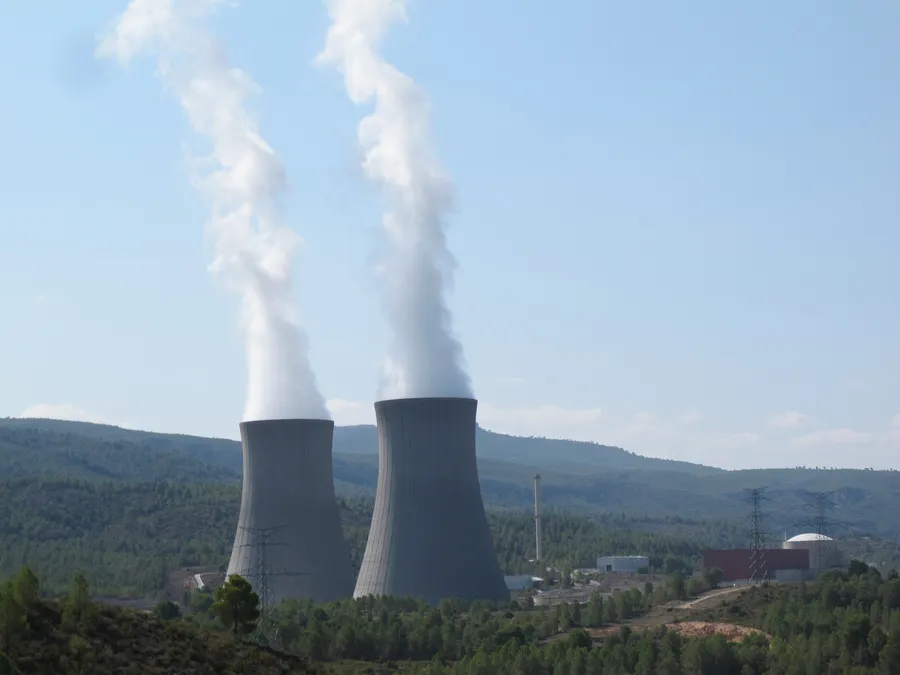
A response option for infrastructure where operational continuity matters.
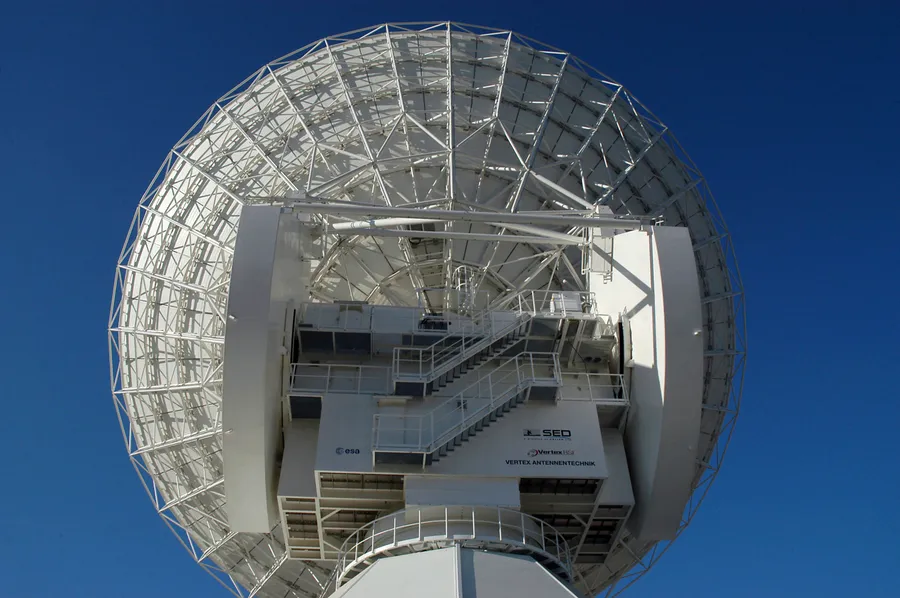
Complementary protection for ground stations and operations.
A team combining systems, electronics and acoustics to develop R.A.R.

Aerospace engineer
Project management, systems architecture and business development

Aerospace engineer
Electronics, avionics, power systems, control and software

Aerospace engineer
Acoustics, data analysis, funding, and aeroelastic and structural modelling and simulation


